





Retained Instrument $16M


A $16.75 Million Message: Accountability in Surgical Errors
Medical procedures are inherently stressful. Consequently, patients place an immense amount of trust in the hands of their surgeons and hospital systems. We expect that even in complex cases, doctors and nurses will follow the basic safety protocols designed to protect us. However, a recent verdict serves as a sobering reminder of what can happen when those systems fail. The result was a retained surgical instrument.
A jury recently awarded $16.75 million in a medical malpractice lawsuit against a hospital and medical group. The case specifically centered on a “retained surgical instrument”—a preventable medical error that left a patient suffering for nearly two months.
The Case: A 13-Inch Oversight
The patient underwent a significant surgery to remove a massive, 75-pound benign tumor. While the removal of the tumor was successful, the aftermath was a nightmare. The surgical team left a 13-inch metal retractor inside her abdomen following the procedure.
For 58 days, the metal object remained undetected inside her body. During this time, the patient experienced:
- Severe physical pain.
- Persistent nausea.
- Heightened anxiety and sleep disturbances.
A CT scan nearly two months later identified the source of her agony. To fix the error, the patient had to undergo a second surgery to remove the instrument, subjecting her to further medical risks and a prolonged recovery period.
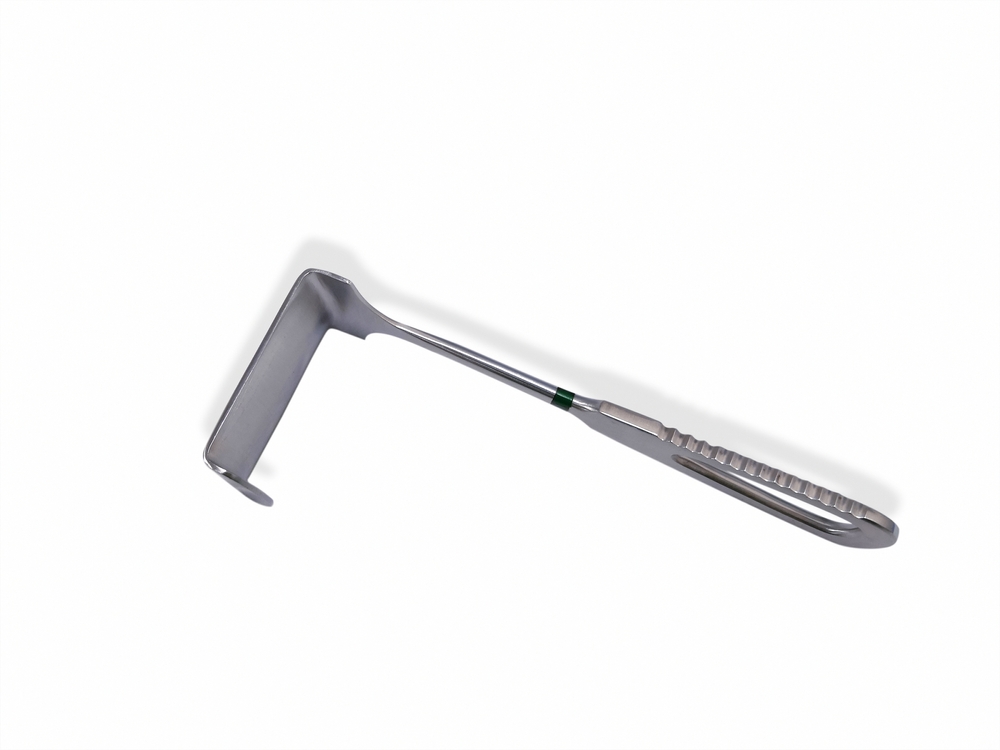
What is a Metal Retractor?
In the context of this case, the object left behind was a surgical retractor. These are essential tools surgical teams use in almost every operating room. A retractor is a manual or handheld medical instrument used by surgeons to separate the edges of a surgical incision or to hold back underlying organs and tissues.
By keeping the “surgical field” open and clear, retractors allow the surgeon to see and access the specific area they are operating on without having to hold the tissue back with their own hands. In major abdominal surgeries, these instruments can be quite large—as seen in the 13-inch tool involved in this verdict—to provide enough leverage to move muscle and organs.
How is it Used in Abdominal Tumor Removal?
Removing a 75-pound tumor is a significant surgery. During such a procedure, the surgeon must navigate around organs, blood vessels, and nerves.
- Exposure: Retractors are placed strategically to pull back the abdominal wall.
- Stability: Once the incision is open, larger, often heavier metal retractors are used to keep the intestines or other organs away from the tumor site.
- Precision: By “retracting” the surrounding tissue, the surgeon has the visibility needed to detach the tumor from the body safely.
In a procedure involving a tumor of that size, surgeons typically use multiple retractors of various shapes and sizes simultaneously to maintain a clear view of the operating site.
What is a Retained Surgical Instrument (RSI) Case?
A Retained Surgical Instrument (RSI) case is a specific type of medical malpractice claim. The surgical team accidently left a foreign object—such as a sponge, needle, or tool—inside a patient’s body after closing the incision.
In the legal and medical world, these are often “Never Events.” These are errors that are so egregious and preventable that they should never occur if the surgical team follows standard safety protocols.
In this case, the defense argued that the error was an “inadvertent mistake” occurring during a “complex procedure”. However, the jury disagreed, siding with the plaintiff’s argument that the incident represented gross negligence and a failure to adhere to basic surgical protocols.
Protocols to Prevent Retained Instruments
To prevent RSIs, hospitals must follow strict “count” protocols. These protocols are the primary line of defense against leaving foreign objects in a patient. They usually include:
- The Initial Count: The surgical team counts every instrument, sponge, and needle and records them before the surgery begins.
- The Intermediate Count: Counts are performed whenever instruments are added or when there is a shift change in the surgical staff.
- The Final Count: Before the surgeon begins to close the primary incision, the scrub nurse and the circulating nurse must perform a final count of every item to ensure it matches the initial tally.
- Post-Closure Count: The surgical team often does a final verification after the surgeon closes the skin.
If a count does not match, the surgeon is notified immediately, and an X-ray is typically taken while the patient is still on the operating table to locate the missing item.
Accountability and the Verdict: Retained Surgical Instrument
The jury’s decision was a clear statement on hospital accountability. The $16.75 million total broke down into two parts:
- $1.75 million in compensatory damages (to cover the plaintiff’s pain, suffering, and medical bills).
- $15 million in punitive damages against the hospital.
The jury held the hospital 99% responsible for the error. Some courts allow punitive damages to punish the defendant and deter similar behavior in the future. The plaintiff’s legal team emphasized that this large award was necessary to push the hospital system toward improved safety measures and also to ensure that no other patient has to endure a 58-day ordeal with a 13-inch metal object inside them.
This case serves as a powerful reminder. While surgeries are complex, the safety of the patient must always remain the highest priority.
A Note on Damages in Maryland
In Maryland, it is unlikely that punitive damages would be available in a case like this because Maryland requires actual malice for punitive damages. Moreover, there is no reference to any permanent injury in this case. In the absence of a permanent injury, it can generally be difficult to obtain significant damages in a medical malpractice case. However, the liability in this case was so sloppy that it likely drove the damage award.
Mark Kopec is a top-rated Baltimore medical malpractice lawyer. Contact us at 800-604-0704 to speak directly with Attorney Kopec in a free consultation. The Kopec Law Firm is in Baltimore and helps clients throughout Maryland and Washington, D.C. Thank you for reading the Baltimore Medical Malpractice Lawyer Blog.