Talk to Lawyer
Mark Kopec Now
Mark Kopec Now





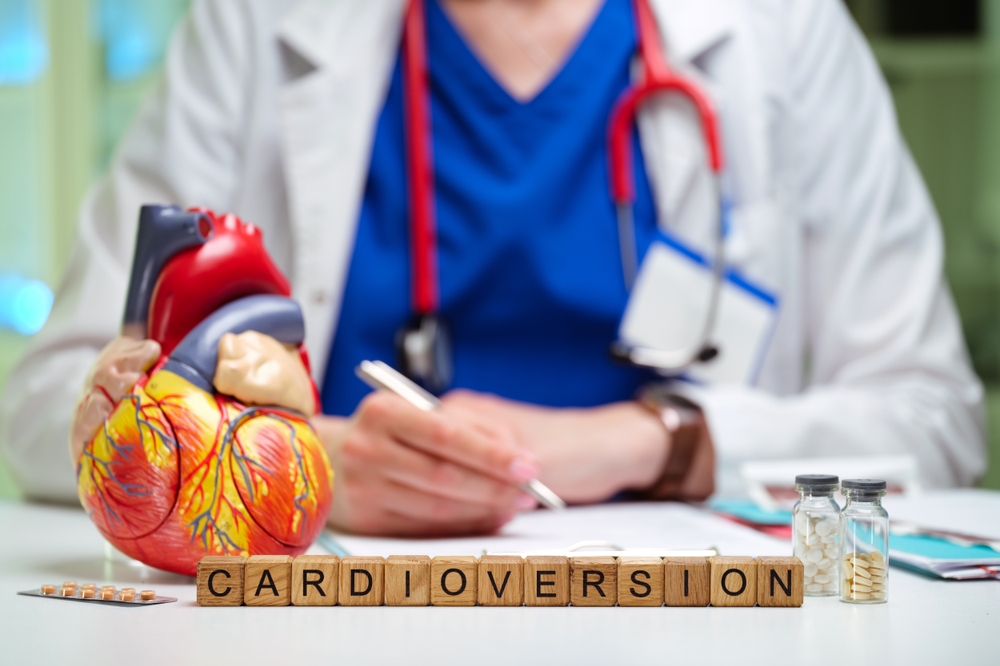
Cardioversion is an important medical procedure that restores a normal heart rhythm in patients suffering from dangerous arrythmias. Doctors routinely use this treatment to save lives. However, medical malpractice can either necessitate the cardioversion procedure or happen during the treatment itself. Understanding the intersection of medical negligence and cardiac care helps patients protect their legal rights and physical health.
To understand how arrhythmias occur, you must first look at the basic structure of the human heart. The heart is a muscular organ with four distinct chambers. The two upper chambers are the atria, and the two lower chambers are the ventricles. In a healthy body, these chambers squeeze and relax in a smooth, coordinated rhythm to pump blood throughout the lungs and body.
A specialized electrical system controls this pumping action. First, the sinoatrial (SA) node in the right atrium acts as the body’s natural pacemaker. It sends out an electrical impulse that causes the atria to contract and push blood into the ventricles. Next, the signal travels to the atrioventricular (AV) node, which briefly pauses the impulse so the ventricles can fill completely with blood. Finally, the electrical signal moves down specialized pathways into the ventricles, causing them to squeeze and pump blood out to the body. This background helps understand how cardioversion and medical malpractice intersect.
When illness, trauma, or medical errors disrupt this electrical pathway, the heart can beat too fast, too slow, or erratically. Consequently, the heart fails to pump blood efficiently, which can quickly lead to severe organ damage or sudden cardiac arrest.
Cardioversion is a medical treatment that resets an abnormal heart rhythm back to a normal sinus rhythm. Doctors primarily use this procedure to treat fast or irregular heartbeats, such as atrial fibrillation (AFib), atrial flutter, and certain types of tachycardia. Unlike emergency defibrillation, which delivers a random, high-energy shock to a stopped or quivering heart, cardioversion delivers a precisely timed electrical shock or medication.
Specifically, the procedure targets a dangerous rhythm while the patient still has a pulse. By delivering a controlled shock at an exact moment in the heart’s electrical cycle, cardioversion stops the chaotic signals. As a result, the heart’s natural pacemaker can regain control and restore a steady, healthy beat.
In some clinical scenarios, a patient only needs cardioversion because a medical provider committed a preventable error. When medical negligence damages the heart’s electrical system or triggers severe physiological stress, dangerous arrhythmias often follow. Below are common types of malpractice that can force a patient to undergo cardioversion:
In each of these medical malpractice situations, the patient suffers an avoidable cardiac injury, necessitating cardioversion. If cardioversion is not able to successfully fix the rhythm problem, the patient may have a medical malpractice claim depending on the severity of the medical condition.
Beyond the injuries that make cardioversion necessary, medical malpractice can also occur during the cardioversion process itself. Because the procedure involves powerful medications and high-energy electrical currents, doctors and nurses must follow strict safety protocols. Failing to meet the standard of care can cause catastrophic harm.
The most devastating error involves blood clots and strokes. When the upper chambers of the heart quiver during atrial fibrillation, blood pools inside them and easily forms clots. If a doctor performs cardioversion without first checking for clots or giving blood thinners, the sudden restoration of a normal heartbeat may pump those clots straight to the brain. Consequently, the patient suffers a massive, preventable ischemic stroke.
Other common medical malpractice errors during cardioversion procedure include:
Managing complex heart rhythms requires teamwork among several medical specialists. Typically, a primary care physician, an internal medicine doctor, or an emergency room physician first detects an abnormal heartbeat during an exam or electrocardiogram (ECG or EKG). Once they identify the arrhythmia, they refer the patient to a heart specialist for further care.
A cardiologist or a cardiac electrophysiologist usually performs the cardioversion. Electrophysiologists are cardiologists with advanced training in the heart’s electrical system. However, in life-threatening emergencies, emergency medicine physicians, critical care doctors, or anesthesiologists may perform the procedure immediately in the Emergency Department or intensive care unit. Meanwhile, certified registered nurse anesthetists (CRNAs) and cardiac nurses assist by administering sedation and monitoring vital signs.
Doctors use two primary methods to reset a patient’s heart rhythm: electrical cardioversion and chemical cardioversion. The choice depends on the patient’s stability, the specific arrhythmia, and how long the irregular rhythm has lasted. The Kopec Law Firm can examine your medical records to see if you have a potential medical malpractice claim relating to cardioversion.
| Feature | Electrical Cardioversion | Chemical (Pharmacologic) Cardioversion |
|---|---|---|
| Primary Mechanism | Delivers a synchronized electrical shock through chest pads. | Uses antiarrhythmic medications given via IV or mouth. |
| Sedation Required | Yes, requires short-acting general anesthesia or deep sedation. | No, the patient remains fully awake during treatment. |
| Speed of Results | Immediate; resets the heart within seconds. | Slower; can take minutes, hours, or even days to work. |
| Typical Setting | Hospital procedure room, Cath Lab, or emergency department. | Hospital room, emergency department, or outpatient clinic. |
| Primary Risks | Skin burns, anesthesia complications, and stroke. | Drug toxicity, low blood pressure, and new arrhythmias. |
Preparation is the most critical step before a scheduled cardioversion. First, the medical team ensures the patient has taken blood thinners for at least three to four weeks prior to the procedure. Alternatively, the doctor performs a specialized ultrasound called a transesophageal echocardiogram (TEE) to look closely at the heart chambers and verify that no blood clots exist.
On the day of the procedure, nurses place intravenous (IV) lines in the patient’s arm and attach sticky monitoring pads to the chest and back. Next, an anesthesiologist administers fast-acting sedation through the IV so the patient falls asleep quickly and feels no pain. Once the patient is asleep, the cardiologist activates the cardioversion machine. The device delivers one or more brief, synchronized electrical shocks to reset the heart. The entire shock process takes less than a minute, and the patient usually wakes up within five to ten minutes.
For most patients, the immediate outcomes of cardioversion are very positive. The procedure successfully restores a normal sinus rhythm in roughly 75% to 90% of cases. Patients often notice an immediate improvement in symptoms like shortness of breath, fatigue, and chest fluttering.
However, cardioversion is not always a permanent cure. Many patients experience a return of their arrhythmia within weeks or months, especially if they have underlying heart disease. Therefore, doctors frequently prescribe daily antiarrhythmic medications and blood thinners after the procedure to keep the heart beating steadily. When medical providers follow every safety step, cardioversion remains a safe, effective tool for protecting heart health. Conversely, when medical malpractice enters the cardioversion process, patients face life-altering injuries that require immediate legal and medical attention.
If you have any concerns or questions about cardioversion and medical malpractice, then visit our free consultation page or video. Then contact the Kopec Law Firm at 800-604-0704 to speak directly with Attorney Mark Kopec. He is a top-rated Baltimore medical malpractice lawyer. The Kopec Law Firm is in Baltimore and pursues cases throughout Maryland and Washington, D.C.