Medical Malpractice and Sputum Test: Understanding Delays, Misdiagnosis, and Patient Rights
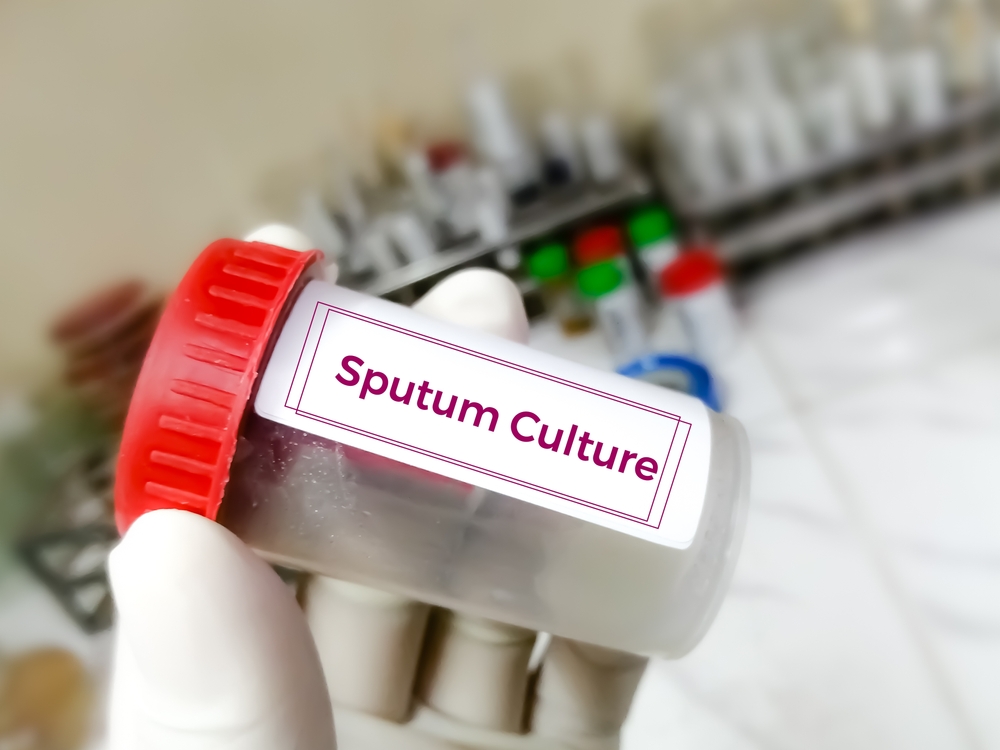
A sputum test is a critical diagnostic tool used by medical providers to evaluate infections and diseases of the respiratory tract. When a medical provider fails to order or properly evaluate a sputum test in a timely manner, severe diagnostic delays can occur. These delays can lead to irreversible lung damage, systemic complications, or permanent disability. Accordingly, understanding how sputum testing works, what conditions it identifies, and how medical negligence occurs can help patients and legal professionals navigate potential medical malpractice claims.
Overview of the Respiratory Anatomy – Sputum Test & Medical Malpractice
To understand the purpose of a sputum test, firstly you must examine the structure of the human respiratory system. The lower respiratory tract includes several vital structures:
Trachea (Windpipe): The main airway that carries inhaled air down into the chest cavity.
Bronchi: The primary branch airways that split off from the trachea into the left and right lungs.
Bronchioles: Smaller subdivisions of the bronchi that spread throughout the lung tissue.
Alveoli: Tiny air sacs located at the end of the bronchioles where oxygen and carbon dioxide exchange with the blood.
Specialized cells within the mucous membrane of the airways produce mucus. This fluid traps dust, bacteria, allergens, and also other particles. When an infection or disease affects the lower respiratory tract, the body produces excessive mucus mixed with inflammatory cells, debris, and microorganisms. This thick fluid is called sputum.
Who Needs a Sputum Test?
Doctors order a sputum test when a patient exhibits signs of a lower respiratory infection or chronic pulmonary disorder. However, sputum is not simple saliva from the mouth; it comes directly from deep inside the lungs.
Symptoms That Warrant a Sputum Test
Medical providers typically evaluate patients who present with specific persistent symptoms:
A chronic cough that lasts several weeks or produces thick, discolored phlegm
Unexplained fever, chills, and also night sweats
Shortness of breath or difficulty breathing (dyspnea)
Sharp chest pain when coughing or breathing deeply
Coughing up blood or blood-tinged mucus (hemoptysis)
Unintended weight loss accompanied by respiratory issues
Medical Conditions Requiring Testing
Providers use sputum analysis to evaluate several serious health conditions:
Nurses and Respiratory Therapists: They instruct the patient on how to collect deep lung secretions or assist using nebulized saline treatments (induced sputum).
Laboratory Technicians and Pathologists: Lab technicians then prepare the sample, perform cultures, apply stains, and analyze bacteria or cellular structures. In addition, pathologists review complex findings to provide an official diagnostic report.
How Is a Sputum Test Administered?
Proper collection techniques are essential to prevent saliva from contaminating the sample.
Patient Preparation: The patient usually collects the sample early in the morning before eating or drinking. They rinse their mouth with water to clear food debris and oral bacteria.
Deep Coughing: The patient takes several deep breaths and then performs a deep cough to bring up fluid from the deep airways, coughing directly into a sterile container.
Induced Sputum Collection: If the patient cannot cough effectively, a respiratory therapist administers a mist of sterile saline solution via a nebulizer to loosen deep secretions.
Laboratory Processing: The sample goes immediately to the laboratory for Gram staining, acid-fast staining (for tuberculosis), bacterial culture, and also antibiotic sensitivity testing.
Capabilities and Limitations: What the Test Can and Cannot Do
While sputum testing is a powerful diagnostic tool, understanding its scope helps clarify standard-of-care obligations.
What a Sputum Test Can Do
What a Sputum Test Cannot Do
Identifies specific bacteria, fungi, or viruses causing infection
Cannot reliably identify infections in the upper airway (nose/throat)
Determines antibiotic sensitivity to guide targeted treatment
Cannot differentiate between active infection and colonization without clinical context
Detects abnormal or malignant cells (sputum cytology)
Cannot replace structural imaging tests like CT Scans or X-rays
Confirms specific diseases like Tuberculosis
Cannot produce valid results if contaminated with oral saliva
Diagnosed Conditions and Treatment Options
A delayed sputum test delays necessary targeted treatments, then allowing lung damage to progress rapidly.
1. Bacterial Pneumonia
Diagnosis: Gram stain and culture identify the causative bacterial strain (e.g., Streptococcus pneumoniae).
Treatment: Doctors prescribe targeted intravenous (IV) or oral antibiotics based on culture sensitivity reports.
Treatment: Patients undergo long-term combination antibiotic therapy (such as isoniazid and rifampin) for several months.
3. Fungal Lung Infections
Diagnosis: Sputum fungal cultures confirm species such as Aspergillus or Blastomyces.
Treatment: Prescribed antifungal medications eliminate the fungal growth over weeks or months.
Medical Malpractice Claims for Delay or Failure to Order a Sputum Test
Medical malpractice occurs when a medical provider fails to adhere to the accepted medical standard of care, causing harm or permanent injury to a patient.
Common Medical Malpractice Scenarios with Sputum Test
Failure to Order Testing Promptly: Misdiagnosing severe pneumonia or tuberculosis as a simple viral cold without ordering diagnostic sputum testing.
Failure to Act on Lab Results: A physician orders a test but fails to review laboratory findings or ignores bacterial sensitivity results.
Inappropriate Antibiotic Prescribing: Prescribing broad-spectrum antibiotics blindly without obtaining a sputum sample, leading to ineffective treatment while an infection destroys lung tissue.
Sample Handling Negligence: Failing to properly store or transmit the sample, leading to sample contamination or false-negative results.
Permanent Injuries Resulting from Delayed Sputum Test Medical Malpractice
When severe respiratory infections go untreated due to delayed diagnostic testing, patients face devastating, permanent consequences:
Permanent Lung Scarring (Fibrosis): Severe unresolved pneumonia or fungal infections permanently scar lung tissues, then causing chronic shortness of breath and oxygen dependency.
Sepsis and Septic Shock: Bacteria from an untreated lung infection enter the bloodstream, causing tissue death, organ failure, or limb amputations.
Lung Abscess and Necrotic Lung Tissue: Severe bacterial infections destroy lung tissue, creating fluid-filled cavities that require invasive surgical removal.
Respiratory Failure: Permanent impairment of oxygen exchange leads to chronic reliance on supplemental oxygen or mechanical ventilation.
If you or a family member suffered a permanent injury because a doctor failed to order or follow up on a sputum test, we can help clarify your legal rights and legal options.
Visit our free consultation page or video. Then contact the Kopec Law Firm at 800-604-0704 to speak directly with Attorney Mark Kopec. He is a top-rated Baltimore medical malpractice lawyer. The Kopec Law Firm is in Baltimore and pursues cases throughout Maryland and Washington, D.C.
What Our Clients Say About Us
At the Kopec Law Firm, we are grateful that satisfied clients express their appreciation!
Dear Mark, I just wanted to express my gratitude for your dedication to my case. As you know, it has been a long and upsetting process for me, which would have been a great deal longer had it not been for the hours you put in helping me with this emotional roller coaster. Thank you again.
Shannon T. in Anne Arundel County
Dear Mark, thank you so much for your help and kindness. You provided the guidance and assistance we needed to obtain some understanding in loss of our child. We will never forget the professional and personal service provided. If anyone is in need of legal representation, I will certainly send them your way. God bless.
Kim C. in Cecil County
I wanted to say thank you for spending time with me regarding my questions about legal issues. Mere words cannot really express my gratitude. You seem to truly care about people.
Client in Baltimore City
Dear Mr. Mark, I’m truly grateful to have had you work on my son’s case. You were up front at all times and were on key every step of the way. I will always recommend your firm. Thank you so much for helping my son. P.S. Every time my son sees you on TV, he says “Mom, that’s my lawyer, Mr. Mark.” 🙂 Thank you again. You did an excellent job on the...
K.N. in Baltimore City
Dear Mark, we want to thank you for all the hard work and time your firm put in our case. You took the time to listen to us and research our case. You were honest and up front regarding the case. You responded to questions and concerns quickly. We would highly recommend your firm and services to anyone who is in need of legal representation. We...
Rebecca T. in Prince George’s County
Super Awesome team and staff! Worked with them for a case they handled for my grandchild about 10yrs ago! Would definitely use them again! I recommend them to everyone I know. Could never thank them enough! Very thorough and knowledgeable! Always kept us in the loop throughout the entire process!!!!
Letha C. in Prince George’s County
Mark explained everything in detail and brought clarity to all of my concerns.
Doris in Edgwater
I am very happy and thankful for your help. You responded very quickly. I am very happy to recommend you.
Linda in Chevy Chase
Mark is a knowledgeable and empathetic lawyer who speaks directly and concisely to evaluate your problem. He doesn't use attorney jargon that confuses people, rather he talks clearly. Although he couldn't help me with my situation, the consultation I had was productive because he answered my questions and gave me some clarity.