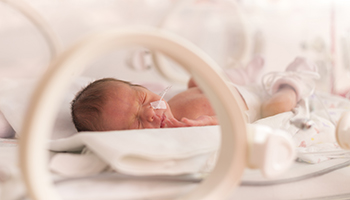
When a child is born with brain damage, the joy of a new arrival is instantly replaced by a landscape of medical uncertainty and overwhelming financial stress. At the Kopec Law Firm, we understand that infant brain damage is rarely a “unfortunate accident”—it is often the result of preventable medical malpractice. If your child has been diagnosed with a brain damage birth injury, you are not just looking for a lawyer; you are looking for a lifeline to secure your child’s future. Call Baltimore brain damage lawyer Mark Kopec.
Causes of Infant Brain Damage: Pregnancy, Birth, and Beyond
Brain damage in newborns generally stems from oxygen deprivation (asphyxia), physical trauma, or untreated medical conditions. These errors can occur at three distinct stages.
1. During Pregnancy (Antenatal)
Proper prenatal care requires doctors to identify and manage risks that could affect the fetus’s brain development.
Preeclampsia & Maternal Hypertension: High blood pressure in the mother can restrict blood and also oxygen flow to the placenta.
Risk Factors: First-time pregnancy, obesity, or history of hypertension.
Symptoms: Sudden swelling, headaches, or blurred vision in the mother.
Diagnosis: Monitored by Obstetricians (OB/GYNs) through blood pressure checks and also urine protein tests.
Treatment: Bed rest, blood pressure medication, or early delivery.
The window for brain damage is smallest—and most critical—during labor and delivery.
HIE: Hypoxic Ischemic Encephalopathy: This is the most common form of birth-related brain damage, caused by total (anoxia) or partial (hypoxia) oxygen deprivation.
Microcephaly: A condition where the head is smaller than normal due to stunted brain growth.
Bringing a Medical Malpractice Claim with Baltimore Brain Damage Lawyer Mark Kopec
To recover damages, we must prove that a healthcare provider’s care fell below the “standard of care.” Common claims include:
Failure to Monitor: Ignoring signs of fetal distress on the heart rate monitor.
Delayed C-section: Waiting too long to perform an emergency delivery when the baby is losing oxygen.
Medication Errors: Improperly administering Pitocin, which can then cause uterine tachysystole (excessive contractions) that cuts off oxygen.
Failure to Screen: Not testing the mother for infections or also the baby for high bilirubin.
Recoverable Damages with Baltimore Brain Damage Lawyer Mark Kopec
A successful lawsuit can provide the financial resources necessary to provide your child with a dignified life. Recoverable damages include:
Economic Damages: Lifetime medical costs, specialized schooling, home modifications (ramps/lifts), 24/7 nursing care, and additionally lost future earning capacity.
Non-Economic Damages: Pain and suffering, emotional distress, and also loss of enjoyment of life.
Next Step: Call Baltimore Brain Damage Lawyer Mark Kopec
Medical malpractice cases involving brain damage are incredibly complex. They require a legal team that can interpret fetal heart strips, consult with top-tier medical expert witnesses (such as life-care planners and pediatric neurologists), and stand up to hospital insurance companies.
Is your child’s future at stake? Then contact us today for a free, confidential case evaluation.
Visit our free consultation page or video. Then contact the Kopec Law Firm at 800-604-0704 to speak directly with Attorney Mark Kopec. He is a top-rated Baltimore Birth Injury lawyer. The Kopec Law Firm is in Baltimore and pursues birth injury cases throughout Maryland and Washington, D.C.
What Our Clients Say About Us
At the Kopec Law Firm, we are grateful that satisfied clients express their appreciation!
Dear Mark, I just wanted to express my gratitude for your dedication to my case. As you know, it has been a long and upsetting process for me, which would have been a great deal longer had it not been for the hours you put in helping me with this emotional roller coaster. Thank you again.
Shannon T. in Anne Arundel County
Dear Mark, thank you so much for your help and kindness. You provided the guidance and assistance we needed to obtain some understanding in loss of our child. We will never forget the professional and personal service provided. If anyone is in need of legal representation, I will certainly send them your way. God bless.
Kim C. in Cecil County
I wanted to say thank you for spending time with me regarding my questions about legal issues. Mere words cannot really express my gratitude. You seem to truly care about people.
Client in Baltimore City
Dear Mr. Mark, I’m truly grateful to have had you work on my son’s case. You were up front at all times and were on key every step of the way. I will always recommend your firm. Thank you so much for helping my son. P.S. Every time my son sees you on TV, he says “Mom, that’s my lawyer, Mr. Mark.” 🙂 Thank you again. You did an excellent job on the...
K.N. in Baltimore City
Dear Mark, we want to thank you for all the hard work and time your firm put in our case. You took the time to listen to us and research our case. You were honest and up front regarding the case. You responded to questions and concerns quickly. We would highly recommend your firm and services to anyone who is in need of legal representation. We...
Rebecca T. in Prince George’s County
Super Awesome team and staff! Worked with them for a case they handled for my grandchild about 10yrs ago! Would definitely use them again! I recommend them to everyone I know. Could never thank them enough! Very thorough and knowledgeable! Always kept us in the loop throughout the entire process!!!!
Letha C. in Prince George’s County
Mark explained everything in detail and brought clarity to all of my concerns.
Doris in Edgwater
I am very happy and thankful for your help. You responded very quickly. I am very happy to recommend you.
Linda in Chevy Chase
Mark is a knowledgeable and empathetic lawyer who speaks directly and concisely to evaluate your problem. He doesn't use attorney jargon that confuses people, rather he talks clearly. Although he couldn't help me with my situation, the consultation I had was productive because he answered my questions and gave me some clarity.